Blog
TB-500 & BPC-157: Understanding Two Widely Discussed Research Peptides

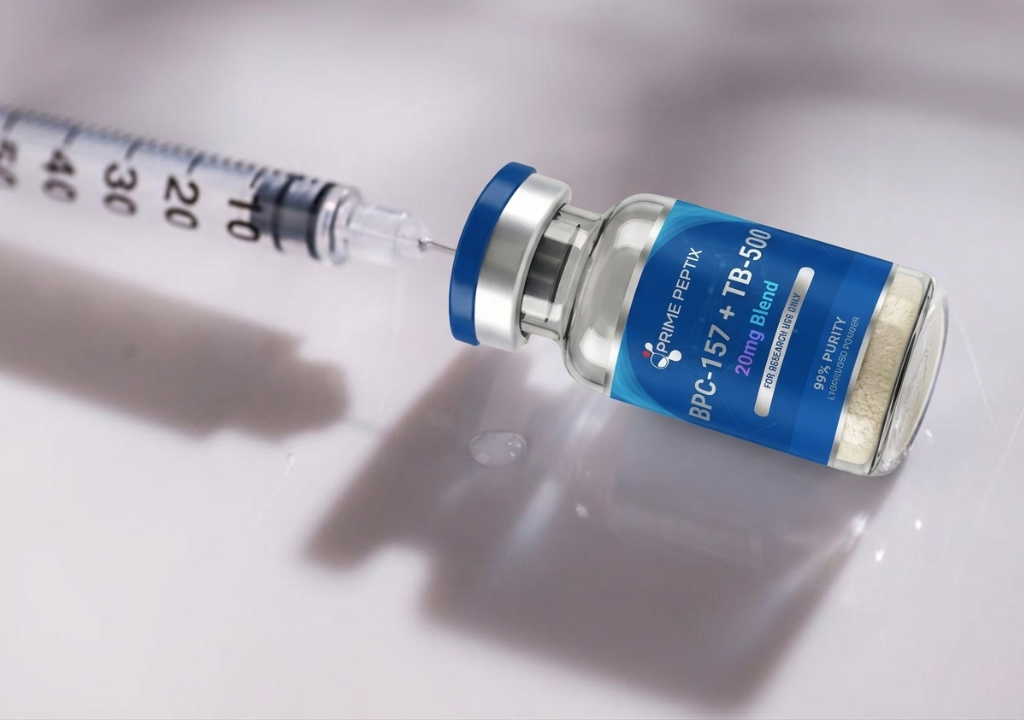
Among the many compounds studied in peptide research, TB-500 and BPC-157 remain two of the most frequently discussed peptides within regenerative pathway investigations.
Researchers continue examining these compounds because of their unique peptide structures, stability characteristics, and growing presence in scientific discussions related to tissue-response pathways and peptide signaling mechanisms.
While TB-500 and BPC-157 are distinct compounds, they are often mentioned together in research literature and laboratory discussions focused on advanced peptide studies.
For laboratories across Australia and internationally, these peptides remain subjects of ongoing scientific interest.
What Is BPC-157?
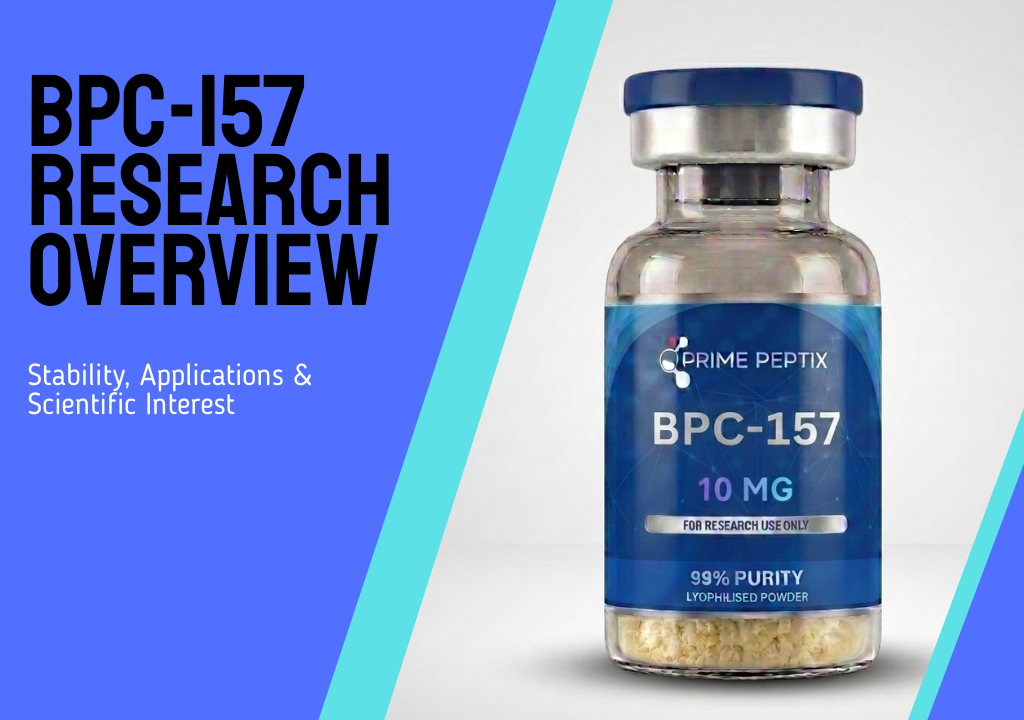
BPC-157 is a synthetic peptide commonly studied within laboratory environments for its peptide signaling characteristics and stability profile.
Researchers investigating BPC-157 often focus on:
- Peptide stability
- Regenerative pathway research
- Peptide-receptor interactions
- Experimental peptide formulations
Due to its growing visibility within peptide science, BPC-157 has become one of the most recognized compounds in modern research environments.
What Is TB-500?
TB-500 is a synthetic research peptide derived from a naturally occurring protein known as Thymosin Beta-4.
Researchers commonly study TB-500 for:
- Peptide signaling investigations
- Cellular pathway research
- Peptide stability analysis
- Advanced laboratory studies
Its unique molecular structure has contributed to increasing scientific interest across peptide research communities.
Why Are TB-500 and BPC-157 Often Discussed Together?
Researchers frequently compare TB-500 and BPC-157 because both compounds are commonly explored within regenerative and peptide signaling research.
Although they have different structures and biological targets, scientific discussions often examine:
- Peptide stability profiles
- Molecular characteristics
- Signaling pathway interactions
- Laboratory preparation requirements
- Storage and handling considerations
These similarities have made TB-500 and BPC-157 recurring subjects in peptide research literature.
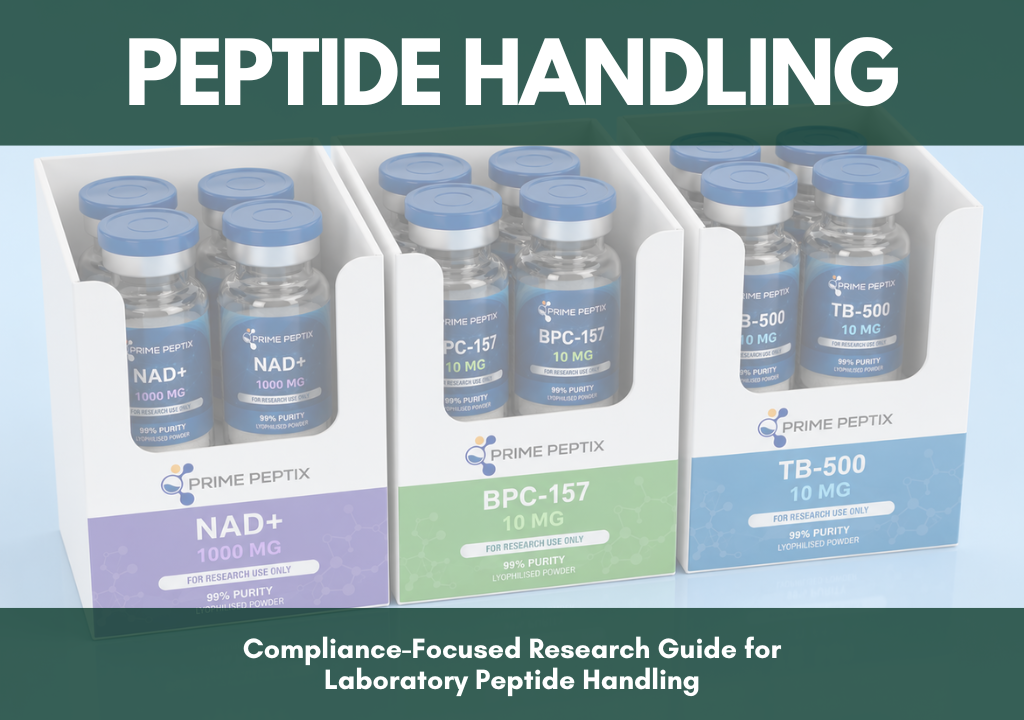
Comparing TB-500 and BPC-157
| Feature | BPC-157 | TB-500 |
|---|---|---|
| Compound Type | Synthetic peptide | Synthetic peptide |
| Research Focus | Peptide signaling studies | Cellular pathway studies |
| Common Form | Lyophilised powder | Lyophilised powder |
| Storage Requirements | Refrigerated conditions | Refrigerated conditions |
| Research Interest | High | High |
While both compounds are actively studied, researchers continue exploring their distinct properties and laboratory applications.
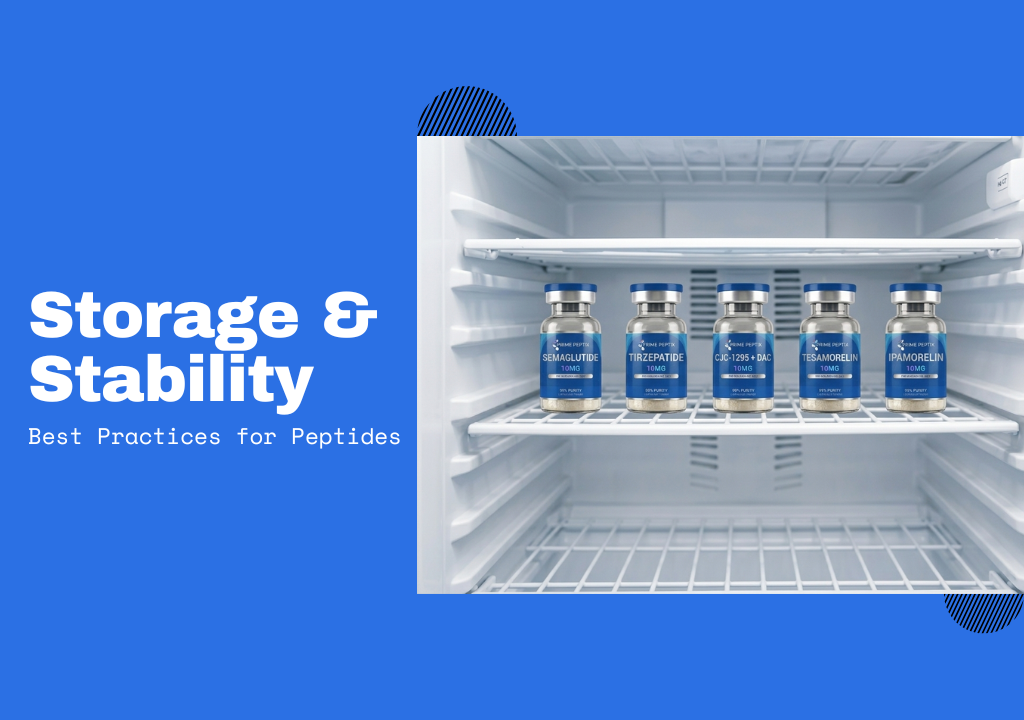
Peptide Stability & Storage Best Practices
Maintaining peptide integrity is essential for laboratory consistency and reliable research outcomes.
Researchers handling TB-500 and BPC-157 commonly prioritize:
- Refrigerated storage
- Moisture protection
- Controlled laboratory environments
- Proper reconstitution procedures
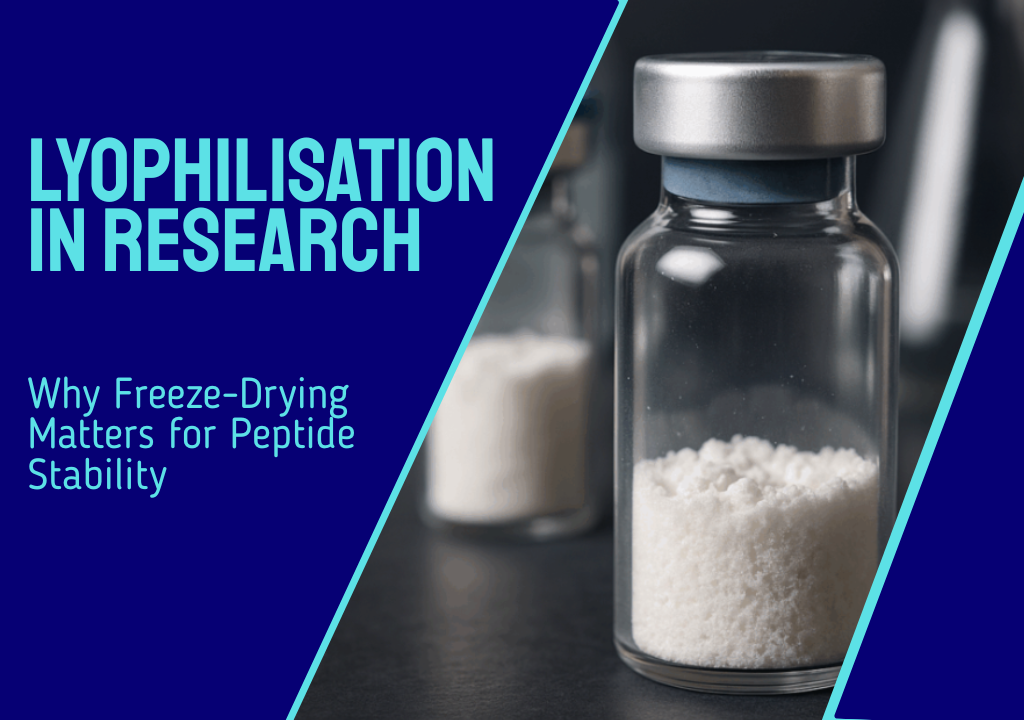
Lyophilised peptides are generally preferred because freeze-drying can support long-term stability during transportation and storage.
Reconstitution Considerations
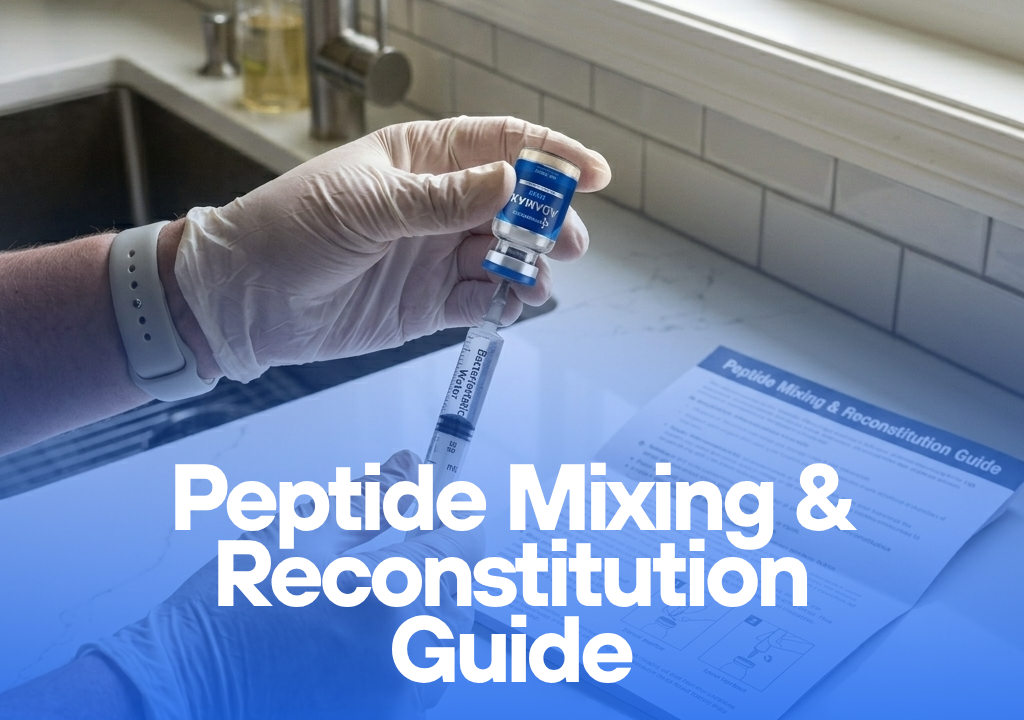
As with many research peptides, TB-500 and BPC-157 are often supplied in lyophilised form and require reconstitution before laboratory use.
Researchers commonly focus on:
- Sterile handling procedures
- Appropriate solvent selection
- Accurate measurements
- Controlled mixing techniques
Following proper preparation protocols can help maintain consistency throughout research activities.
Why Researchers Continue Studying These Peptides
Scientific interest in TB-500 and BPC-157 continues growing due to their relevance in:
- Regenerative pathway research
- Peptide signaling investigations
- Stability studies
- Advanced peptide science
As peptide engineering and molecular research evolve, these compounds remain important topics within scientific discussions and laboratory studies.
TB-500 & BPC-157 Research in Australia
Australia’s peptide research sector continues expanding as laboratories investigate advanced compounds and peptide technologies.
PrimePeptix supports Australian researchers by supplying high-quality research compounds intended exclusively for laboratory and analytical applications.
Frequently Asked Questions
What are TB-500 and BPC-157?
TB-500 and BPC-157 are synthetic research peptides commonly studied within laboratory environments for peptide signaling, molecular interactions, and regenerative pathway investigations.
Why are TB-500 and BPC-157 often mentioned together?
Researchers frequently discuss these compounds together because both are widely studied within peptide research and regenerative pathway investigations.
Are TB-500 and BPC-157 the same peptide?
No. Although both are research peptides, they have different molecular structures and are investigated for different scientific purposes.
How are TB-500 and BPC-157 typically supplied?
These compounds are commonly supplied as lyophilised powders to support stability during storage and transportation.
Why is proper storage important?
Proper storage conditions help preserve peptide stability, integrity, and consistency throughout laboratory research applications.
How should lyophilised peptides be prepared?
Researchers generally follow controlled laboratory procedures involving sterile handling, solvent selection, and accurate reconstitution techniques.
Conclusion
TB-500 and BPC-157 remain among the most recognized compounds in contemporary peptide research. Their continued scientific interest, stability characteristics, and relevance in regenerative pathway investigations have made them important subjects within modern laboratory studies.
As peptide science advances, researchers are expected to continue exploring the unique properties and applications of both compounds.
Disclaimer
All products supplied by PrimePeptix are intended strictly for laboratory and scientific research purposes only. These compounds are not intended for human consumption, therapeutic use, diagnosis, treatment, or prevention of any disease.