Blog
Peptide Guide for Beginners: Understanding Research Peptides, Storage & Reconstitution

Peptides have become one of the most discussed subjects in modern biochemical and longevity-focused research. From metabolic studies and cellular signalling to endocrine and recovery-related investigations, research peptides are now widely used in laboratory environments to explore how short chains of amino acids interact with biological systems.
For new researchers entering the field, peptide terminology can initially seem confusing. Terms such as lyophilized powder, reconstitution, GHRH analogues, and storage stability appear frequently across peptide literature and supplier websites. This guide is designed to simplify those concepts and provide a clear introduction to how research peptides are commonly handled in laboratory settings.
What Are Peptides?
Peptides are short chains of amino acids linked together by peptide bonds. Amino acids are the building blocks of proteins, and peptides act as signalling molecules that may influence various biological pathways.
In research environments, peptides are studied for their interaction with systems related to:
- Hormone signalling
- Cellular communication
- Metabolic regulation
- Tissue-related pathways
- Immune response models
- Mitochondrial and longevity research
Different peptides are designed to target different pathways. Some are researched for growth hormone signalling, while others are studied in metabolic, neurochemical, or recovery-focused models.
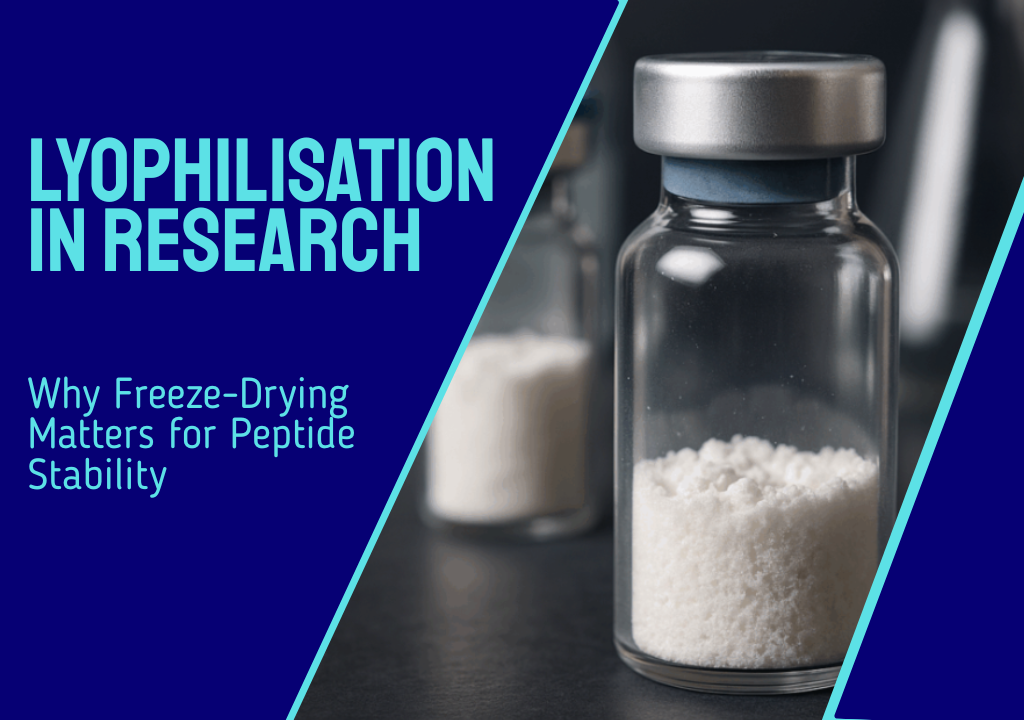
Why Research Peptides Are Supplied as Powder
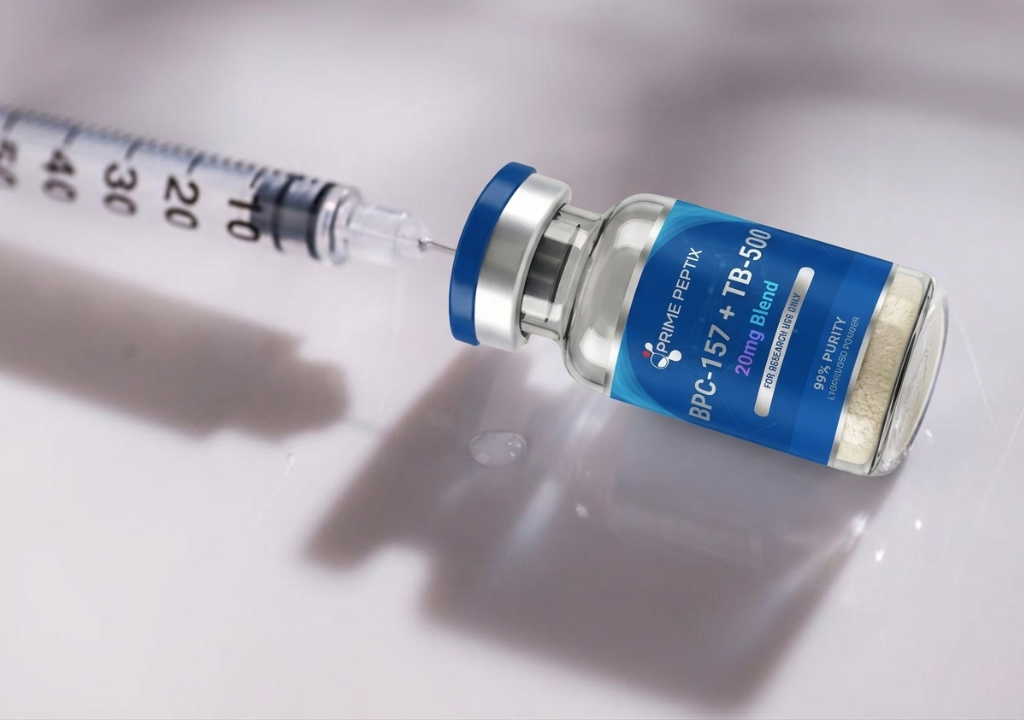
Most research peptides are delivered in a freeze-dried form known as lyophilized powder. This process removes moisture from the compound, helping improve stability during storage and transportation.
Lyophilization is important because peptides are structurally delicate molecules. In dry form, they generally remain stable for significantly longer periods compared to liquid solutions.
Researchers often notice that peptide vials contain:
- White powder
- Off-white powder
- A compact “cake” at the bottom of the vial
This is considered normal for most lyophilized research compounds.
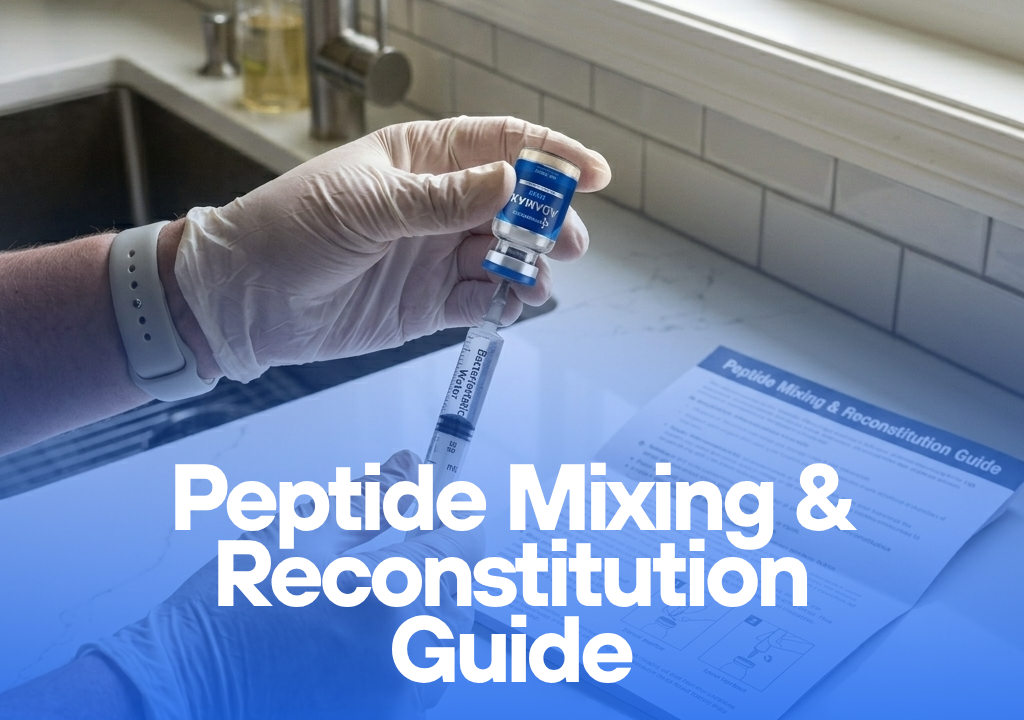
Understanding Peptide Reconstitution
Before laboratory analysis, lyophilized peptides are typically mixed with a sterile liquid. This process is called reconstitution.
The purpose of reconstitution is to dissolve the freeze-dried peptide into a usable liquid solution for controlled research applications.
Common laboratory diluents include:
- Bacteriostatic Water (BAC Water)
- Sterile Water
- Specific buffered solutions depending on peptide type
Bacteriostatic water is commonly used because it contains 0.9% benzyl alcohol, which helps reduce bacterial growth inside multi-use vials.
Read About Bacteriostatic Water vs Sterile Water
Basic Peptide Reconstitution Process
Although handling procedures may vary depending on laboratory protocols, standard peptide preparation generally includes:
1. Preparing a Sterile Workspace
Researchers typically clean the workspace and use sterile handling procedures before opening any vial.
2. Sanitising the Vials
Alcohol swabs are commonly used to clean vial tops before handling.
3. Adding Diluent Slowly
The liquid is usually introduced gently along the inside wall of the vial rather than sprayed directly onto the peptide powder. This helps minimise agitation of the compound.
4. Allowing the Powder to Dissolve
Most peptides dissolve gradually without vigorous shaking. Excessive agitation may reduce peptide stability in certain compounds.
5. Refrigerated Storage After Mixing
Once reconstituted, peptides are generally stored under refrigeration to support stability. For a more detailed walkthrough, see our complete guide on how to properly reconstitute lyophilised research compounds.
Peptide Storage Guidelines
Proper storage plays a major role in maintaining peptide integrity during research use.
Before Reconstitution (Dry Powder)
Lyophilized peptides are generally considered most stable in dry form. Common storage recommendations include:
- Cool, dry environment
- Protection from direct sunlight
- Refrigeration for medium-term storage
- Freezer storage for long-term preservation
Many laboratory references suggest temperatures around 2–8°C for refrigerated storage and approximately -20°C for long-term freezing.
After Reconstitution (Liquid Form)
Once mixed into solution, peptides become more sensitive to:
- Heat
- Light
- Oxidation
- Bacterial contamination
Most research references recommend:
- Refrigeration only (2–8°C)
- Avoiding repeated temperature changes
- Avoiding freezing after reconstitution
Reconstituted peptides are commonly stored upright and protected from excessive light exposure.
Common Mistakes New Researchers Make
Many beginner handling issues involve improper storage or preparation techniques.
Examples include:
- Shaking peptide vials aggressively
- Leaving peptides exposed to heat
- Using non-sterile liquids
- Frequent freeze-thaw cycles
- Storing reconstituted peptides at room temperature
Research discussions within peptide communities frequently highlight that improper handling may reduce peptide stability and analytical consistency.
Different Categories of Research Peptides
Modern peptide research spans multiple scientific areas. Common categories include:
Growth Hormone Research
Examples:
- CJC-1295
- Ipamorelin
- Tesamorelin
These compounds are commonly investigated for GH and IGF-1 signalling pathways.
Recovery Research
Examples:
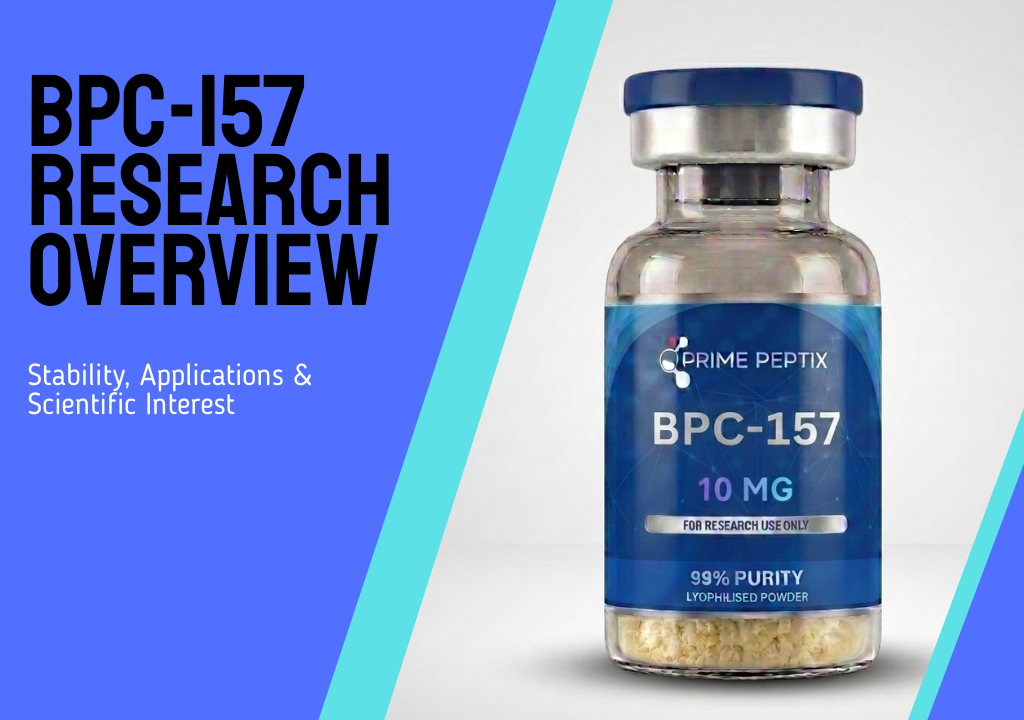
- BPC-157
- TB-500
- KPV
Often studied in relation to tissue signalling and inflammatory response pathways.
Longevity & Metabolic Research
Examples:
- MOTS-C
- NAD+
- 5-Amino-1MQ
Research interest typically focuses on mitochondrial function, metabolism, and cellular energy regulation.
Neuro & Hormonal Research
Examples:
- PT-141
- Adamax
- HCG
Studied for receptor signalling, neurochemical pathways, and endocrine system interactions.
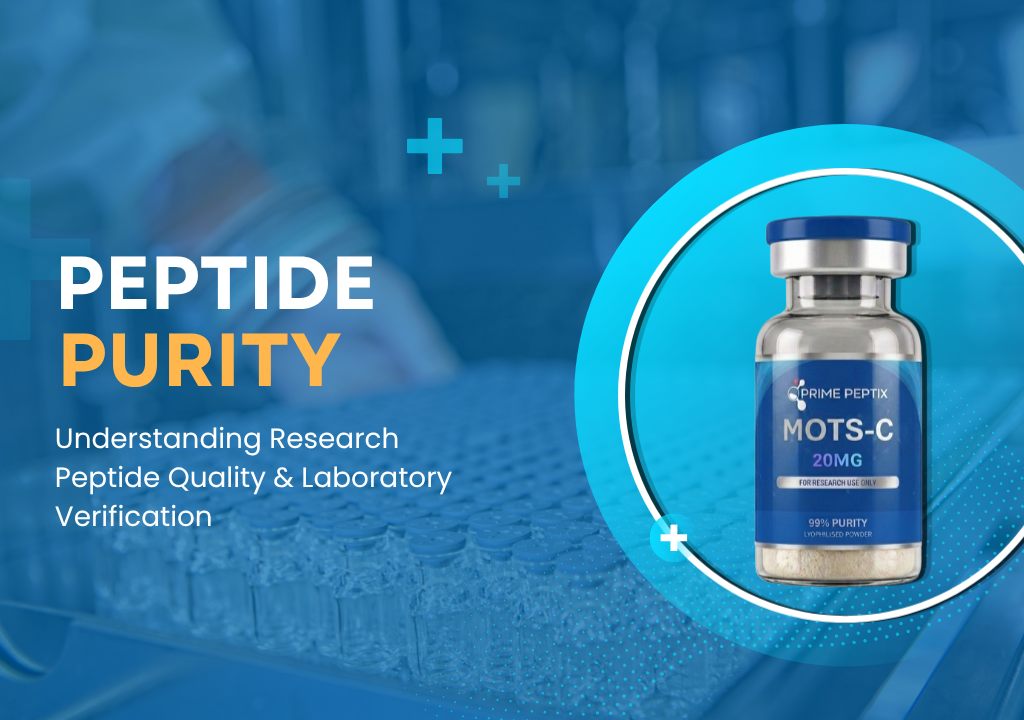
Why Purity Testing Matters
Research-grade peptides are commonly verified using analytical methods such as:
- HPLC (High-Performance Liquid Chromatography)
- Mass spectrometry
Purity verification helps laboratories confirm:
- Compound identity
- Batch consistency
- Analytical reliability
Higher-quality sourcing and proper handling procedures are important for maintaining consistency across research applications.
Explore our collection of high-purity research peptides and laboratory compounds available for controlled scientific applications. Browse the PrimePeptix shop to find research materials suited for your laboratory requirements.
Final Thoughts
Research peptides represent a rapidly expanding area of biochemical and laboratory investigation. Whether the focus is metabolism, endocrine signalling, recovery pathways, or longevity research, understanding proper peptide handling is essential for maintaining consistency and stability in laboratory environments.
For beginners, the most important concepts to understand are:
- What peptides are
- Why they are freeze-dried
- How reconstitution works
- Proper storage procedures
- The importance of sterile handling and quality verification
As peptide research continues evolving, educational resources and properly structured research protocols remain essential for both new and experienced laboratories.
Research Disclaimer
All products referenced in this article are intended strictly for laboratory research and analytical purposes only. They are not intended for human consumption, medical use, therapeutic application, or veterinary use. PrimePeptix supplies research compounds exclusively for scientific and educational purposes.