Blog
How to Reconstitute Lyophilised Compounds

A Beginner-Friendly Research Reference Guide for Peptide Preparation
PrimePeptix Research Library
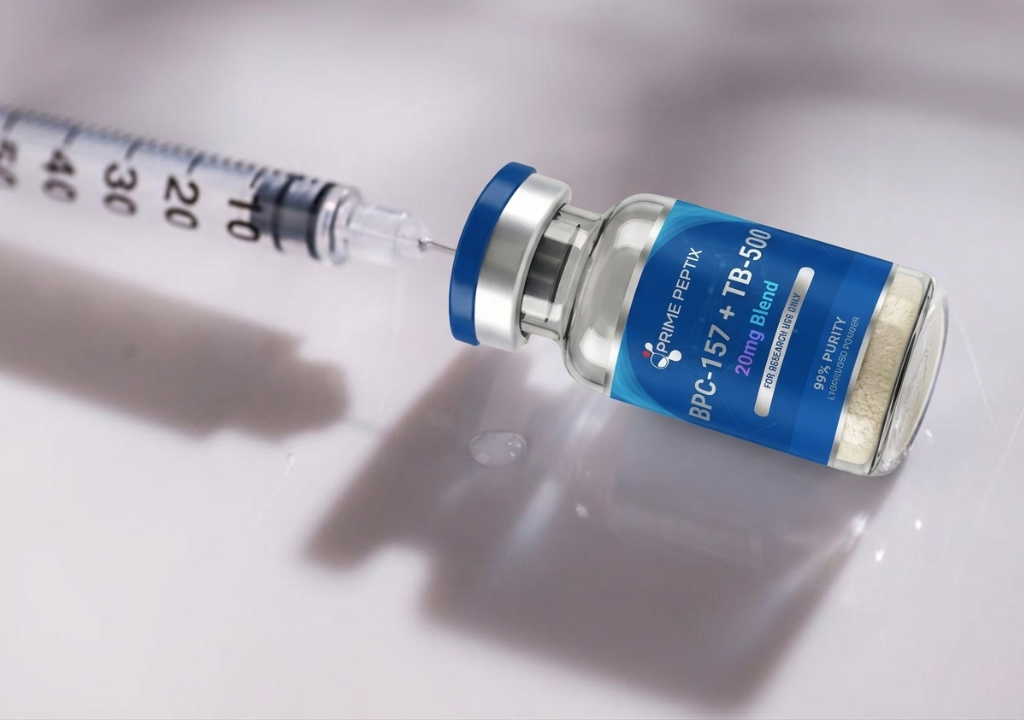
Lyophilised compounds are commonly used throughout peptide and biochemical research because freeze-drying helps improve long-term stability and storage consistency. Before these compounds can be analysed in laboratory settings, they typically need to be reconstituted into a liquid solution.
For beginner researchers, peptide reconstitution can initially feel confusing due to terms like:
- Lyophilisation
- BAC Water
- Concentration ratios
- mg vs ml calculations
However, once the core principles are understood, the process becomes much easier to follow.
This guide explains how researchers commonly reconstitute lyophilised compounds while maintaining:
- Sterile handling standards
- Solution stability
- Research consistency
- Laboratory-grade preparation workflows
What Does “Lyophilised” Mean?
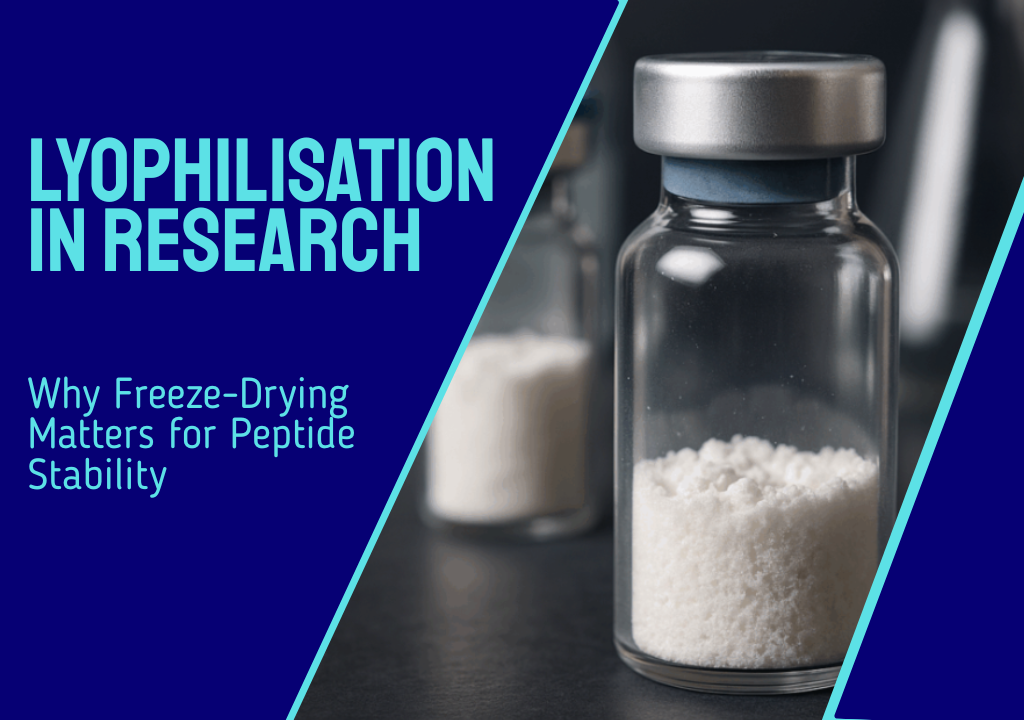
Lyophilised compounds are materials that have undergone:
Freeze-Drying (Lyophilisation)
This process removes water from the peptide under low temperature and vacuum conditions, helping preserve molecular integrity and improve long-term stability.
Most research peptides are supplied in lyophilised form because dry powder is generally more stable than liquid peptide solutions.
Why Do Peptides Need Reconstitution?
Lyophilised peptides are not immediately usable for laboratory solution-based analysis.
Researchers reconstitute peptides to:
- Create measurable liquid concentrations
- Support analytical workflows
- Improve handling precision
- Standardise experimental conditions
Reconstitution simply means:
Adding sterile liquid to dissolve the freeze-dried powder into solution.
What Is Commonly Used for Reconstitution?
The most commonly used diluent in peptide research is:
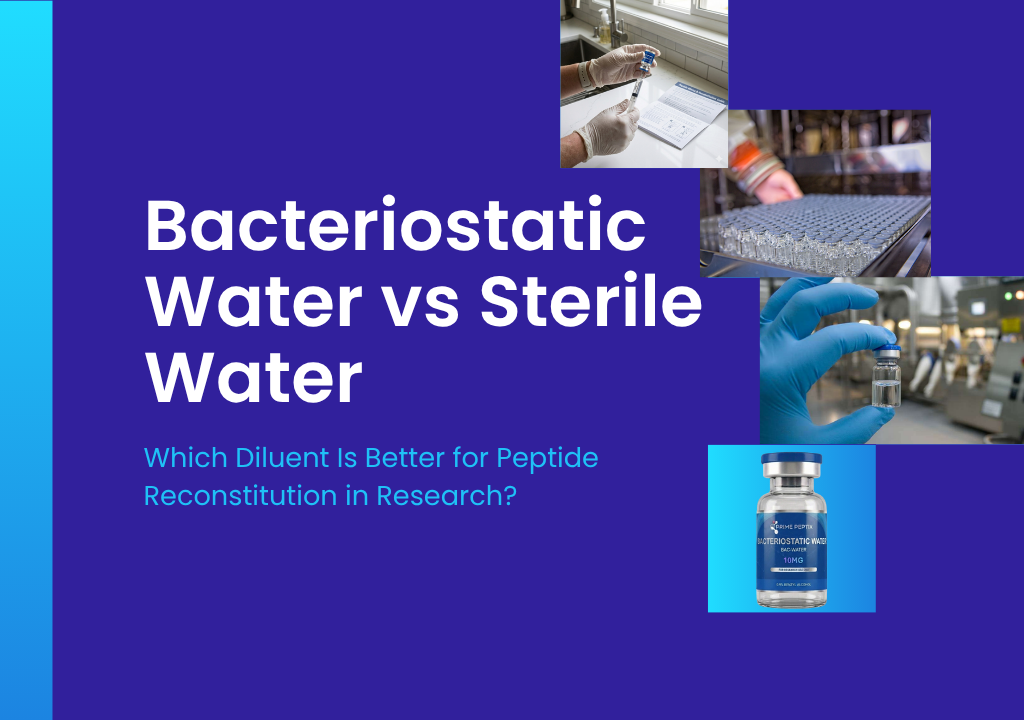
Bacteriostatic Water (BAC Water)
BAC Water contains:
- Sterile water
- 0.9% benzyl alcohol preservative
The preservative helps reduce bacterial growth after the vial has been punctured multiple times.
Some laboratories may also use:
- Sterile Water
- Buffered laboratory solutions
- Specialty solvents depending on peptide chemistry
What You Need Before Starting
Researchers commonly prepare the following materials before reconstitution:
- Lyophilised peptide vial
- Bacteriostatic Water
- Sterile syringes
- Alcohol swabs
- Gloves (optional in controlled environments)
- Clean preparation workspace
Laboratory handling guides frequently recommend using sterile techniques throughout the process.
Step-by-Step Guide to Reconstituting Lyophilised Compounds
Step 1 — Allow Materials to Reach Room Temperature
If the peptide vial has been refrigerated or frozen, many laboratory guides recommend allowing it to gradually reach room temperature before opening.
This helps reduce condensation risk inside the vial.
Step 2 — Clean the Workspace
Researchers typically work in:
- Sanitized areas
- Low-contamination environments
- Clean laboratory workspaces
Proper preparation helps reduce contamination risk during handling.
Step 3 — Sanitize the Vial Tops
Alcohol swabs are commonly used to clean:
- The peptide vial stopper
- The BAC Water vial stopper
before inserting syringes.
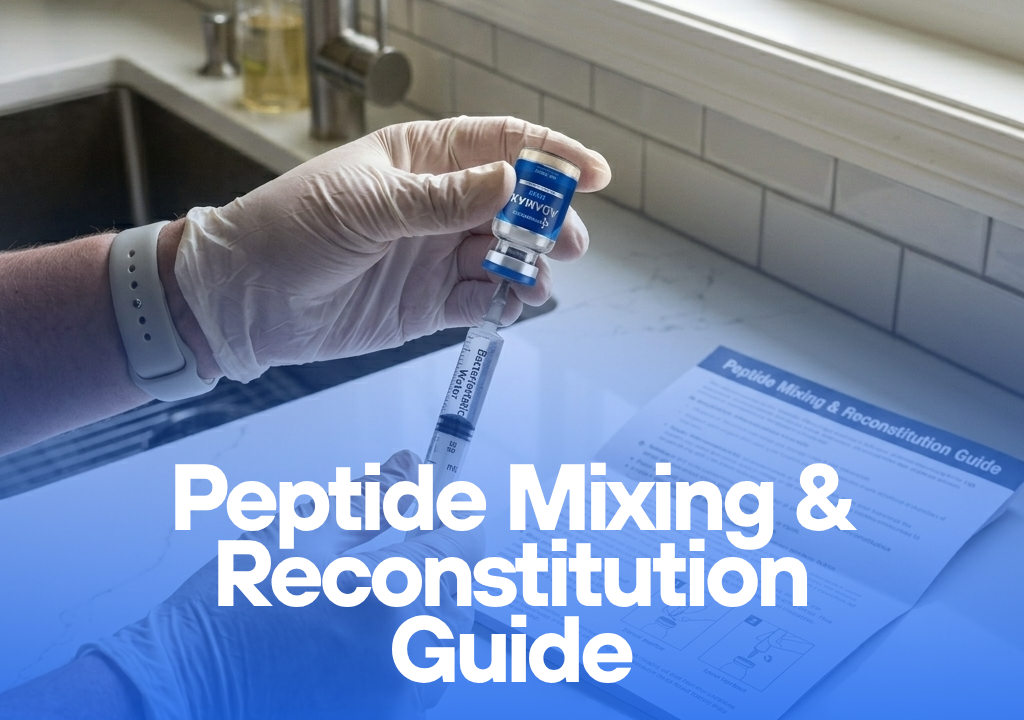
Step 4 — Draw the Diluent
Using a sterile syringe, researchers draw the desired amount of bacteriostatic water into the syringe.
The amount added depends on:
- Peptide quantity
- Desired concentration
- Laboratory protocol requirements
Step 5 — Inject the Liquid Slowly
This is one of the most important parts of peptide reconstitution.
Researchers commonly inject the liquid:
- Slowly
- Against the inside wall of the vial
- Not directly onto the peptide powder
Many peptide handling references note that directly blasting liquid onto the powder may increase foaming or unnecessary peptide stress.
Step 6 — Allow the Peptide to Dissolve Naturally
Most peptides dissolve gradually after the liquid is added.
Researchers generally:
- Swirl gently if necessary
- Avoid vigorous shaking
- Allow the solution to settle naturally
Several research handling guides specifically recommend:
“Swirl — don’t shake.”
Understanding Peptide Concentration
One of the biggest beginner mistakes involves confusion between:
- mg (milligrams)
- ml (millilitres)
Example Calculation
A vial contains:
- 10mg peptide
A researcher adds:
- 2ml BAC Water
The concentration becomes:
2ml10mg=5mg/ml
This means:
- Every 1ml contains 5mg peptide.
Understanding concentration calculations helps researchers maintain consistent experimental preparation.
Common Mistakes During Reconstitution
Many laboratory issues come from improper preparation methods rather than the peptide itself.
Common mistakes include:
- Shaking the vial aggressively
- Using non-sterile water
- Injecting liquid too quickly
- Leaving peptides at room temperature too long
- Incorrect concentration calculations
- Repeated freeze-thaw cycles
Research discussions frequently highlight incorrect mixing technique as one of the most common causes of peptide handling problems.
Storage After Reconstitution
Once peptides are mixed into solution, they become more sensitive to:
- Heat
- Moisture
- Oxidation
- Bacterial contamination
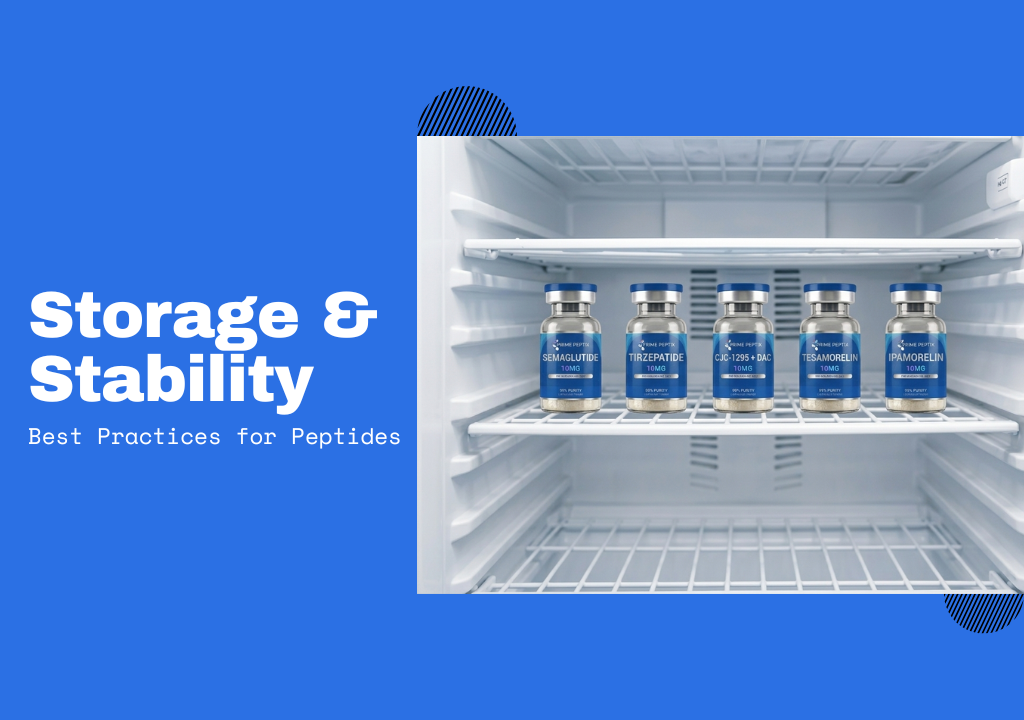
Most peptide handling references recommend storing reconstituted peptides:
- Refrigerated at 2–8°C
- Protected from light
- Upright when possible
Why Researchers Prefer Lyophilised Peptides
Many laboratories continue using lyophilised peptides because they provide:
- Greater concentration control
- Improved storage stability
- Better handling flexibility
- Reduced degradation during transport
Some research discussions also note that lyophilised vials allow researchers to independently control dilution and storage conditions.
Why Proper Reconstitution Matters
Correct preparation helps support:
- Research reproducibility
- Stable concentrations
- Analytical consistency
- Reliable laboratory workflows
Even highly pure peptides may become unstable if improperly mixed or stored.
At PrimePeptix, all research compounds are handled under strict quality-focused procedures designed to support laboratory-grade consistency and reliable research applications.
Final Thoughts
Reconstituting lyophilised compounds is one of the foundational skills in peptide research. Although the process may initially seem technical, the core principles are straightforward:
- Use sterile handling methods
- Add diluent slowly
- Avoid aggressive shaking
- Store peptides correctly after mixing
Understanding these basics helps researchers maintain peptide stability and improve consistency across laboratory workflows.
As peptide research continues expanding across longevity, endocrine, recovery, and metabolic science, proper preparation techniques remain essential for accurate and reliable analytical work.
FAQs
What does lyophilised mean?
Lyophilised means freeze-dried to remove moisture and improve peptide stability.
Why are peptides supplied as powder?
Freeze-dried peptides generally have longer shelf life and improved transport stability compared to liquid solutions.
What is bacteriostatic water used for?
BAC Water is commonly used to dissolve lyophilised peptides during reconstitution.
Why should peptides not be shaken aggressively?
Excessive agitation may affect peptide stability and increase foaming during mixing.
Should reconstituted peptides be refrigerated?
Yes. Most reconstituted peptides are commonly stored refrigerated at 2–8°C.
Why is sterile handling important during reconstitution?
Sterile handling helps reduce contamination risk and supports laboratory consistency.
Research Disclaimer
All products supplied by PrimePeptix are intended strictly for laboratory research and analytical purposes only. They are not intended for human consumption, therapeutic use, medical application, or veterinary use.