Blog
BPC-157 Research Overview: Stability, Applications & Scientific Interest (2026 Guide)

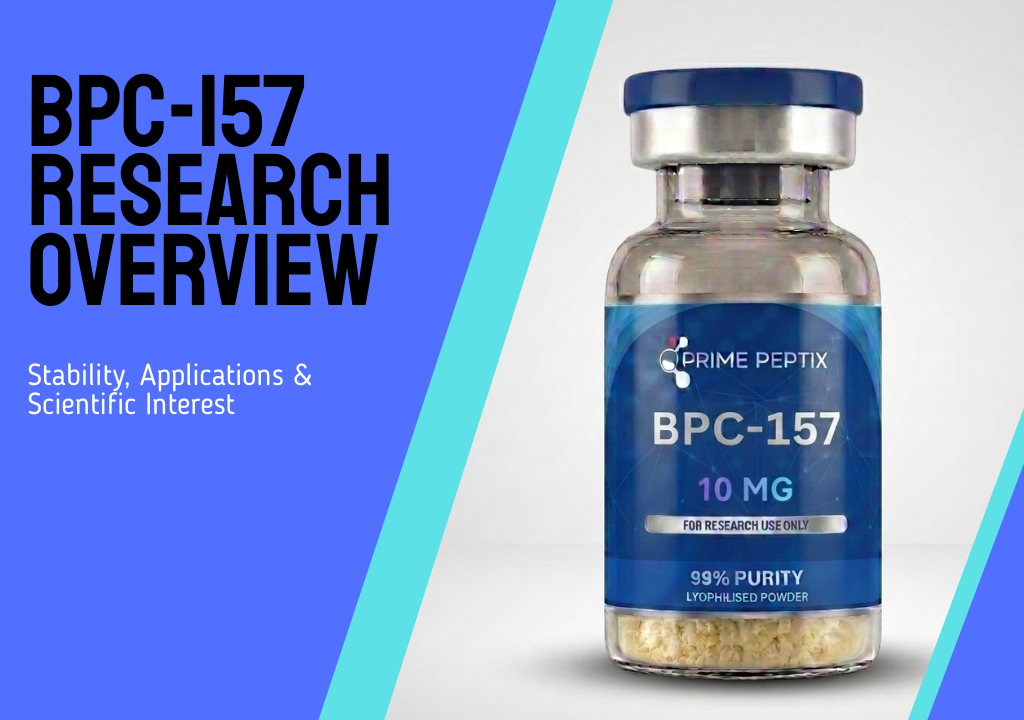
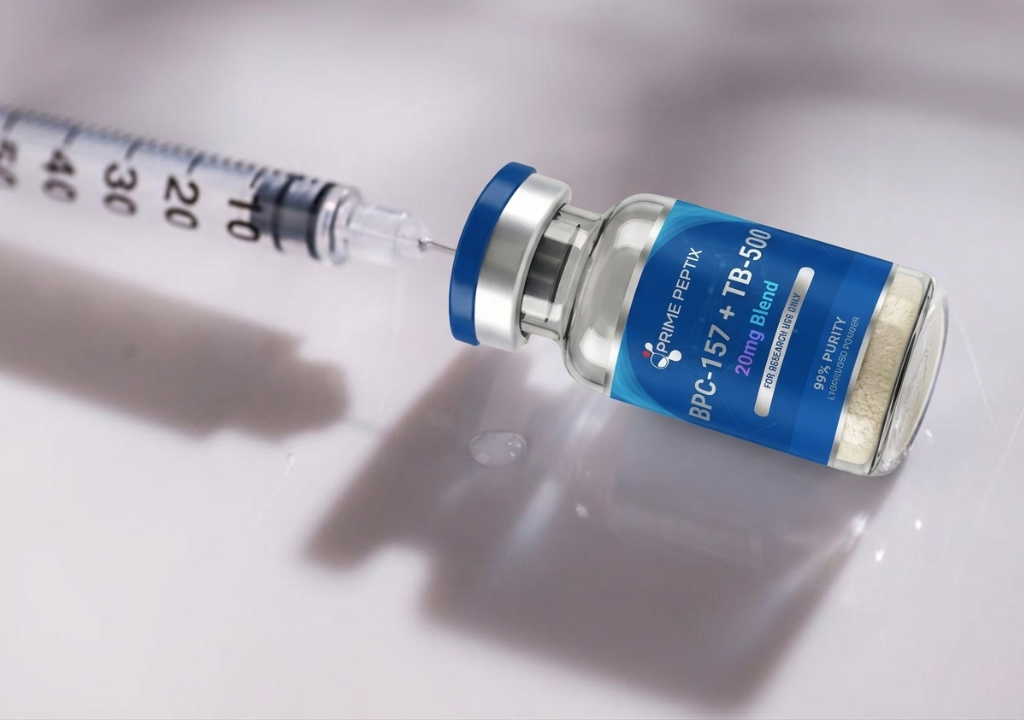
BPC-157 has become one of the most discussed compounds in modern peptide research due to its stability profile, peptide structure, and broad scientific interest in regenerative pathway studies.
As peptide research continues expanding globally, BPC-157 remains a prominent subject in laboratory investigations involving peptide signaling, tissue-response pathways, and compound stability analysis.
This guide explores the current scientific interest surrounding BPC-157, including handling considerations, peptide properties, and research-focused applications.
What Is BPC-157?
BPC-157 is a synthetic peptide compound commonly studied within laboratory and analytical research environments.
Researchers continue examining BPC-157 for its:
- Peptide stability characteristics
- Amino acid sequence behavior
- Regenerative pathway interactions
- Research compatibility with peptide formulations
Due to its growing popularity in scientific literature and peptide discussions, BPC-157 has become a frequently referenced compound in modern peptide research.
Why BPC-157 Is Popular in Research
Interest in BPC-157 research has increased significantly because of its:
- Stability after reconstitution
- Compatibility with lyophilised storage
- Long-term laboratory handling potential
- Ongoing peptide pathway investigations
Researchers studying peptide signaling and regenerative processes frequently include BPC-157 in broader laboratory-based peptide studies.
Peptide Stability & Storage Considerations
Maintaining proper storage conditions is essential when working with peptide compounds such as BPC-157.
Researchers commonly prioritize:
- Refrigerated storage conditions
- Controlled reconstitution environments
- Lyophilised preservation methods
- Sterile handling procedures
Improper storage may affect:
- Compound consistency
- Peptide integrity
- Experimental reliability
For additional guidance, researchers can review our article on peptide storage best practices.
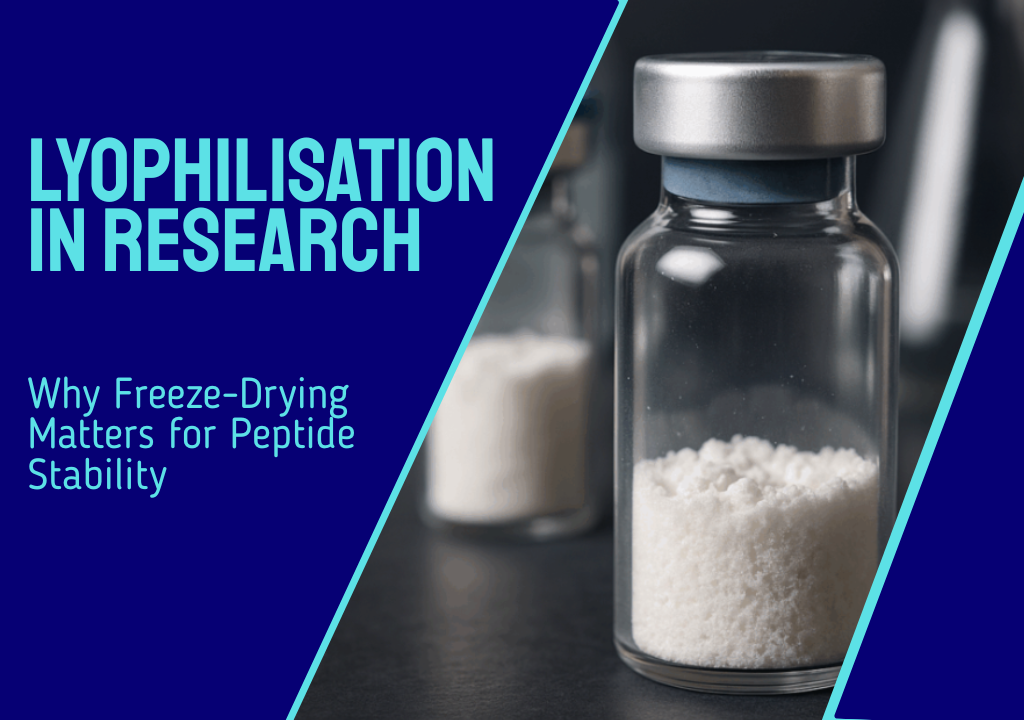
Lyophilised BPC-157 & Freeze-Drying
Like many research peptides, BPC-157 is often supplied in lyophilised form to help support long-term stability during storage and transportation.
Lyophilisation, also known as freeze-drying, helps reduce moisture exposure and improve compound preservation under controlled laboratory conditions.
Researchers working with lyophilised peptides commonly focus on:
- Temperature control
- Moisture reduction
- Stability maintenance
- Proper reconstitution timing
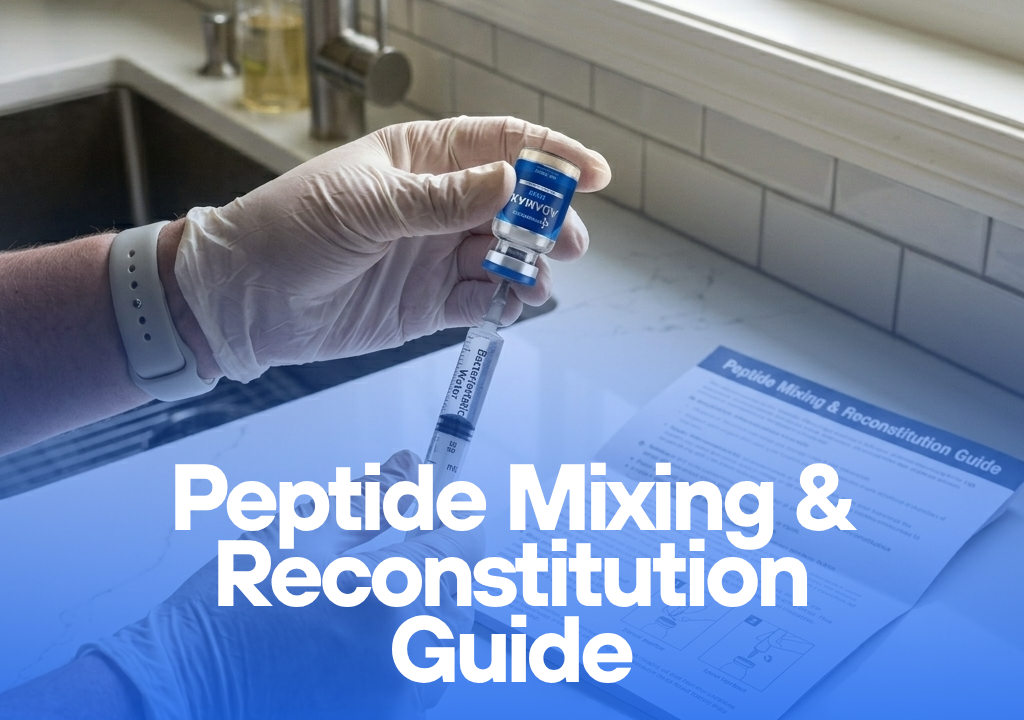
Reconstitution & Laboratory Preparation
Correct peptide preparation remains an important part of laboratory research procedures.
Researchers handling BPC-157 commonly emphasize:
- Sterile laboratory technique
- Controlled solvent selection
- Accurate measurement protocols
- Proper mixing procedures
Reconstitution methods may vary depending on laboratory protocols and research requirements.
BPC-157 in Modern Peptide Research
BPC-157 continues attracting scientific attention within:
- Regenerative pathway studies
- Peptide signaling research
- Stability investigations
- Experimental peptide formulation analysis
Its increasing visibility within peptide discussions has made it one of the most recognized research compounds in modern laboratory environments.
Research Peptides in Australia
Interest in research peptides across Australia continues growing as laboratories and researchers explore advanced peptide compounds and signaling pathways.
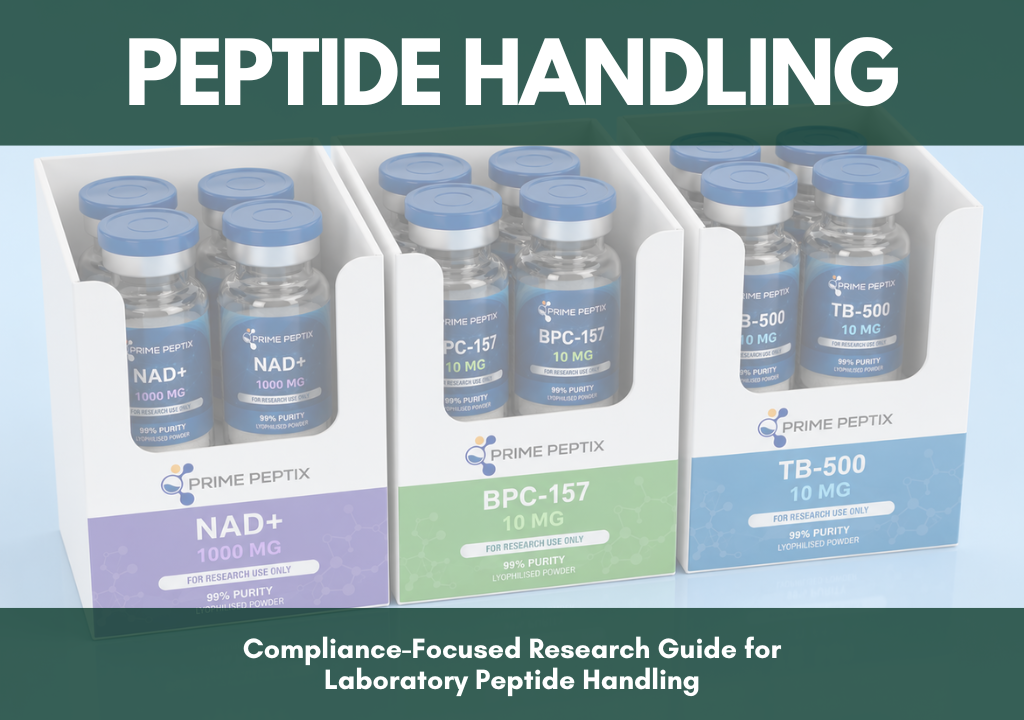
PrimePeptix supplies research-grade peptide compounds intended strictly for laboratory and analytical research applications.
Frequently Asked Questions
What is BPC-157 studied for in research?
Researchers commonly investigate BPC-157 in peptide signaling, regenerative pathway studies, and compound stability research.
Why is BPC-157 often supplied in lyophilised form?
Lyophilisation helps support peptide stability by reducing moisture exposure during storage and transportation.
Does storage affect peptide stability?
Yes. Temperature, moisture exposure, and improper handling may influence peptide integrity and experimental consistency.
Why is BPC-157 popular in peptide research?
BPC-157 continues gaining scientific attention because of its peptide structure, stability profile, and widespread interest within laboratory research discussions.
Conclusion
BPC-157 remains one of the most recognized compounds in modern peptide research due to its growing scientific interest, stability characteristics, and relevance in regenerative pathway investigations.
As peptide research continues evolving, BPC-157 is expected to remain an important topic within laboratory and analytical peptide studies.
Disclaimer
All products referenced by PrimePeptix are intended strictly for laboratory and scientific research purposes only. These compounds are not intended for human consumption, therapeutic use, or medical application.