Blog
Lyophilisation in Research: Why Freeze-Drying Matters for Peptide Stability

In modern peptide and biochemical research, maintaining compound stability is one of the most important parts of laboratory handling. Many research compounds are highly sensitive to heat, moisture, oxidation, and environmental contamination, which can affect consistency during storage and experimental analysis.
To help preserve molecular integrity, laboratories and peptide manufacturers commonly use a process called lyophilisation, also known as freeze-drying. This method is widely used throughout pharmaceutical, peptide, and biotechnology industries because it helps extend stability while supporting safer transportation and long-term storage of delicate compounds.
For researchers new to peptides, lyophilisation is often the reason research compounds arrive as a dry powder instead of a liquid solution. Understanding how this process works is essential for proper handling, storage, and reconstitution procedures.
What Is Lyophilisation?
Lyophilisation is a scientific dehydration process used to remove water from sensitive compounds while preserving their structural stability. The technique works by freezing the material and then reducing surrounding pressure so frozen water transitions directly from ice into vapour through sublimation.
Unlike standard drying methods that use heat, lyophilisation helps minimise thermal stress on delicate molecules such as peptides, proteins, and biological compounds.
This process is widely used in:
- Peptide research
- Pharmaceutical manufacturing
- Vaccine production
- Biotechnology laboratories
- Long-term compound preservation
Because peptides are structurally sensitive, freeze-drying has become a standard method for preparing research-grade peptide products.
Why Peptides Are Freeze-Dried
Most research peptides are supplied as lyophilized powder because peptides in liquid form are generally less stable over time. Moisture exposure can accelerate:
- Molecular degradation
- Oxidation
- Hydrolysis
- Bacterial contamination risks
By removing water content, lyophilisation helps support:
- Extended shelf life
- Improved transport stability
- Better storage consistency
- Reduced degradation risk during handling
This is especially important for peptides involved in:
- Growth hormone signalling research
- Longevity studies
- Recovery pathway investigations
- Metabolic research models
Without freeze-drying, many peptides would lose stability far more quickly during transportation and storage.
How the Lyophilisation Process Works
Although the process is highly technical in laboratory environments, lyophilisation generally involves three major stages:
1. Freezing Phase
The peptide solution is first frozen at very low temperatures. This converts water into ice while helping preserve the compound structure.
Proper freezing is important because it influences:
- Final powder consistency
- Moisture removal efficiency
- Long-term stability
2. Primary Drying (Sublimation)
During this phase, pressure is reduced inside specialised equipment. Frozen water transitions directly from ice into vapour without becoming liquid.
This stage removes most of the moisture content while helping preserve the peptide’s molecular integrity.
3. Secondary Drying
A final low-moisture drying stage removes residual water molecules remaining after sublimation.
This helps create the stable dry peptide powder commonly found inside research vials.
Why Lyophilisation Matters in Peptide Research
For research laboratories, consistency and stability are essential. Even small changes in peptide integrity may affect:
- Analytical accuracy
- Experimental reproducibility
- Storage reliability
- Research outcomes
Lyophilisation supports laboratory workflows by allowing compounds to remain stable for extended periods under recommended storage conditions.
Researchers commonly prefer lyophilized peptides because they:
- Store more efficiently
- Travel more safely
- Maintain structural integrity longer
- Allow flexible reconstitution timing
This is one reason nearly all premium research peptides are supplied in freeze-dried form rather than pre-mixed liquid solutions.
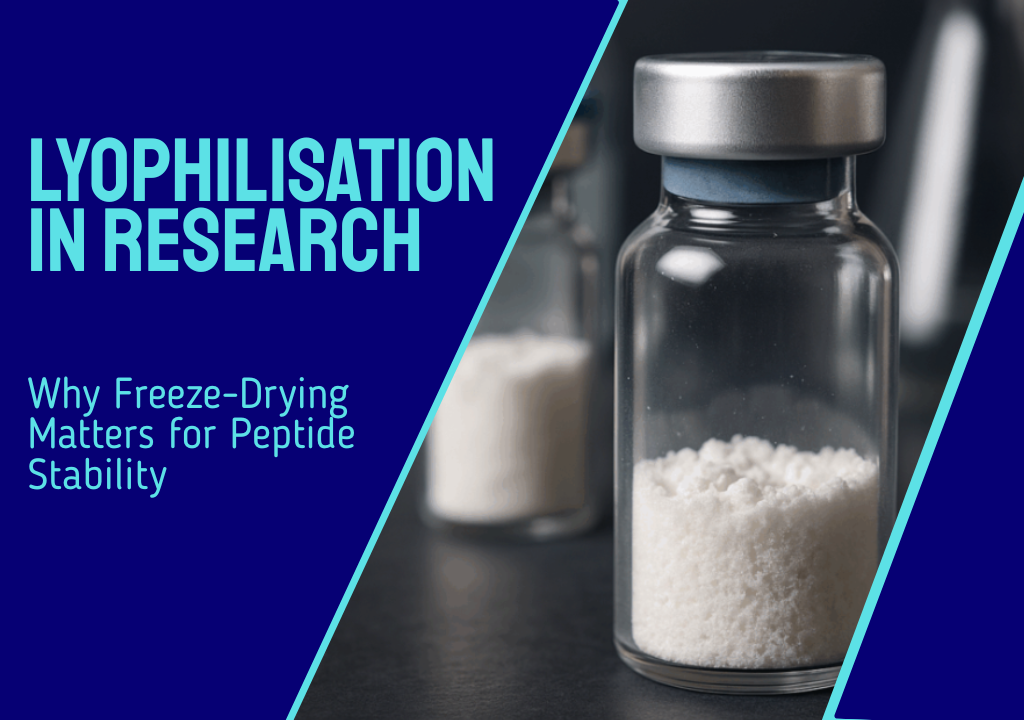
Understanding Lyophilized Peptide Appearance
Researchers often notice differences in how peptide powder appears inside vials. Depending on the compound and manufacturing process, peptides may appear as:
- White powder
- Off-white powder
- Thin layer coating the vial
- Compact “cake” formation
These appearance variations are generally normal in lyophilized products and do not necessarily indicate quality issues.
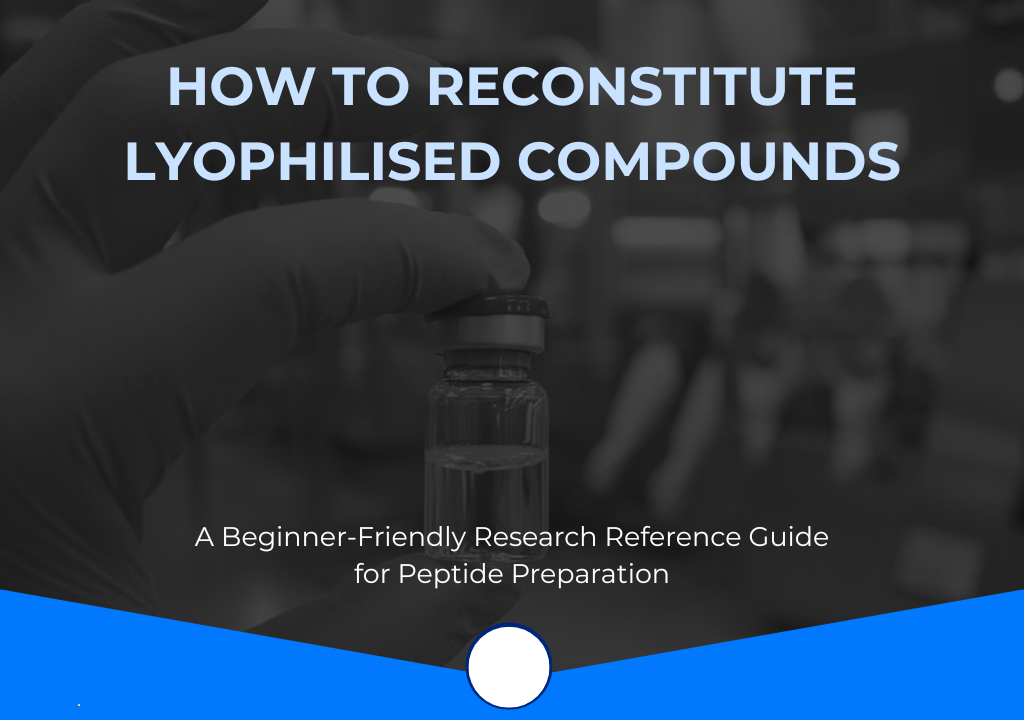
Reconstitution After Lyophilisation
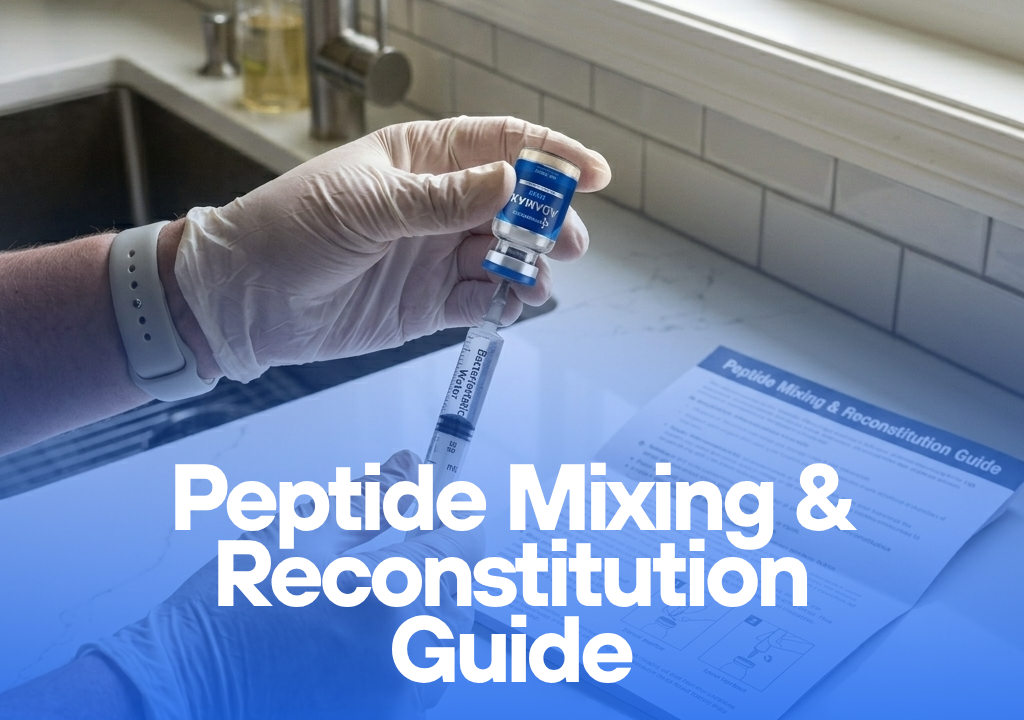
Because lyophilized peptides are supplied in dry form, they typically require reconstitution before laboratory use.
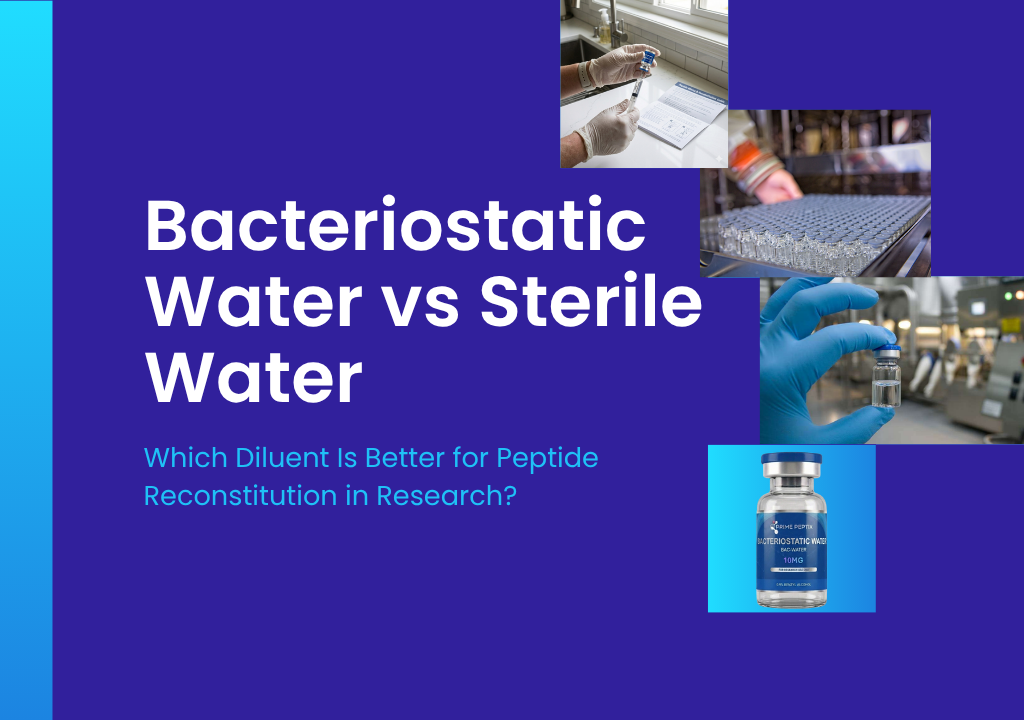
This process involves adding a sterile diluent such as:
- Bacteriostatic Water
- Sterile Water
- Laboratory-approved buffered solutions
Researchers usually add the liquid slowly to minimise agitation of delicate peptide structures.
Once reconstituted, peptides become more sensitive to environmental conditions and are commonly stored under refrigeration.
Storage Recommendations for Lyophilized Peptides
Proper storage is important for maintaining peptide integrity.
Before Reconstitution
Lyophilized peptides are commonly stored:
- In cool, dry environments
- Away from direct sunlight
- Refrigerated for medium-term storage
- Frozen for long-term preservation
Freeze-drying is widely used to improve peptide stability and shelf life. Discover why lyophilisation plays an important role in peptide preservation.
After Reconstitution
Once mixed into solution:
- Refrigeration is generally recommended
- Repeated temperature changes should be avoided
- Exposure to heat and light should be minimised
Proper handling practices help support consistency during laboratory research applications. In addition to PPE, correct storage protocols are important for preserving peptide quality and minimizing contamination risks.
Common Misunderstandings About Lyophilized Peptides
New researchers sometimes assume:
- More powder means higher purity
- Powder texture indicates potency
- Liquid peptides are always superior
In reality, peptide appearance may vary naturally depending on:
- Amino acid composition
- Manufacturing methods
- Moisture content
- Freeze-drying conditions
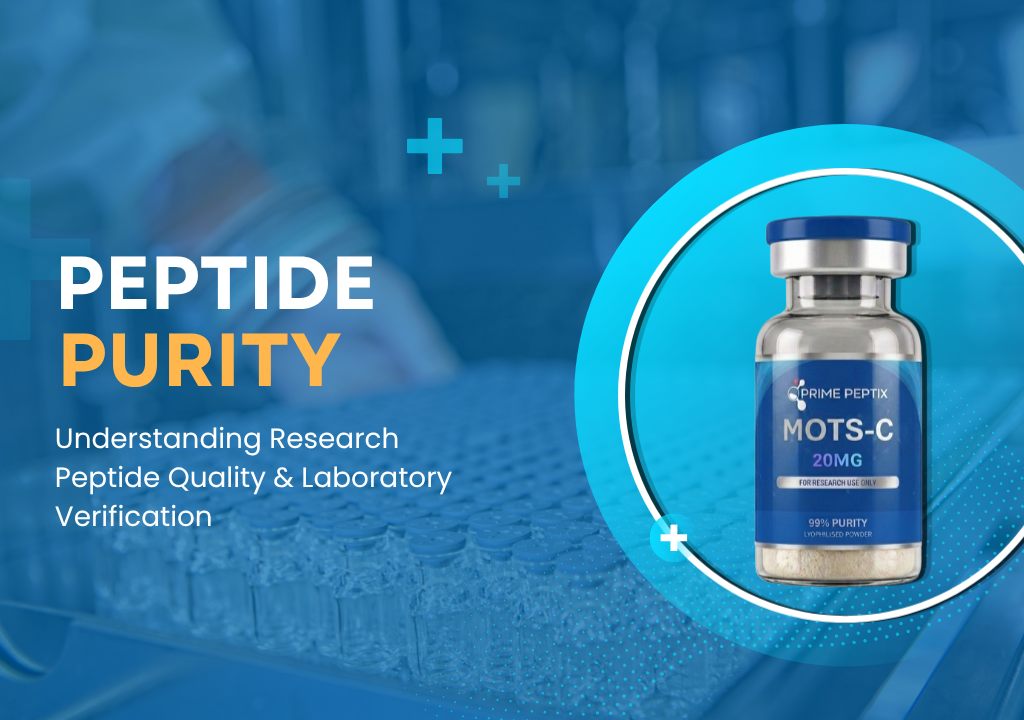
Quality verification is typically determined through analytical testing methods such as:
- HPLC (High-Performance Liquid Chromatography)
- Mass spectrometry
Why Research-Grade Manufacturing Standards Matter
High-quality peptide suppliers generally follow strict handling and manufacturing procedures to support:
- Batch consistency
- Purity verification
- Sterile packaging standards
- Stable transport conditions
For researchers, sourcing peptides from reputable suppliers is an important part of maintaining reliable experimental workflows.
At PrimePeptix, all research compounds are handled using strict quality-focused procedures to support laboratory-grade consistency and product integrity.
Final Thoughts
Lyophilisation plays a critical role in modern peptide and biochemical research. By removing moisture through freeze-drying, laboratories can improve peptide stability, support safer transportation, and extend product shelf life for analytical applications.
For beginner researchers, understanding freeze-drying is essential because it directly affects:
- Peptide handling
- Storage procedures
- Reconstitution methods
- Long-term compound stability
As peptide research continues expanding into areas such as longevity, metabolism, recovery, and endocrine science, lyophilisation remains one of the foundational technologies supporting modern laboratory workflows.
Research Disclaimer
All products referenced by PrimePeptix are supplied strictly for laboratory research and analytical purposes only. They are not intended for human consumption, therapeutic use, medical application, or veterinary use.